SEO Services for Shopify Stores: How to Increase Organic Product Visibility in 2026
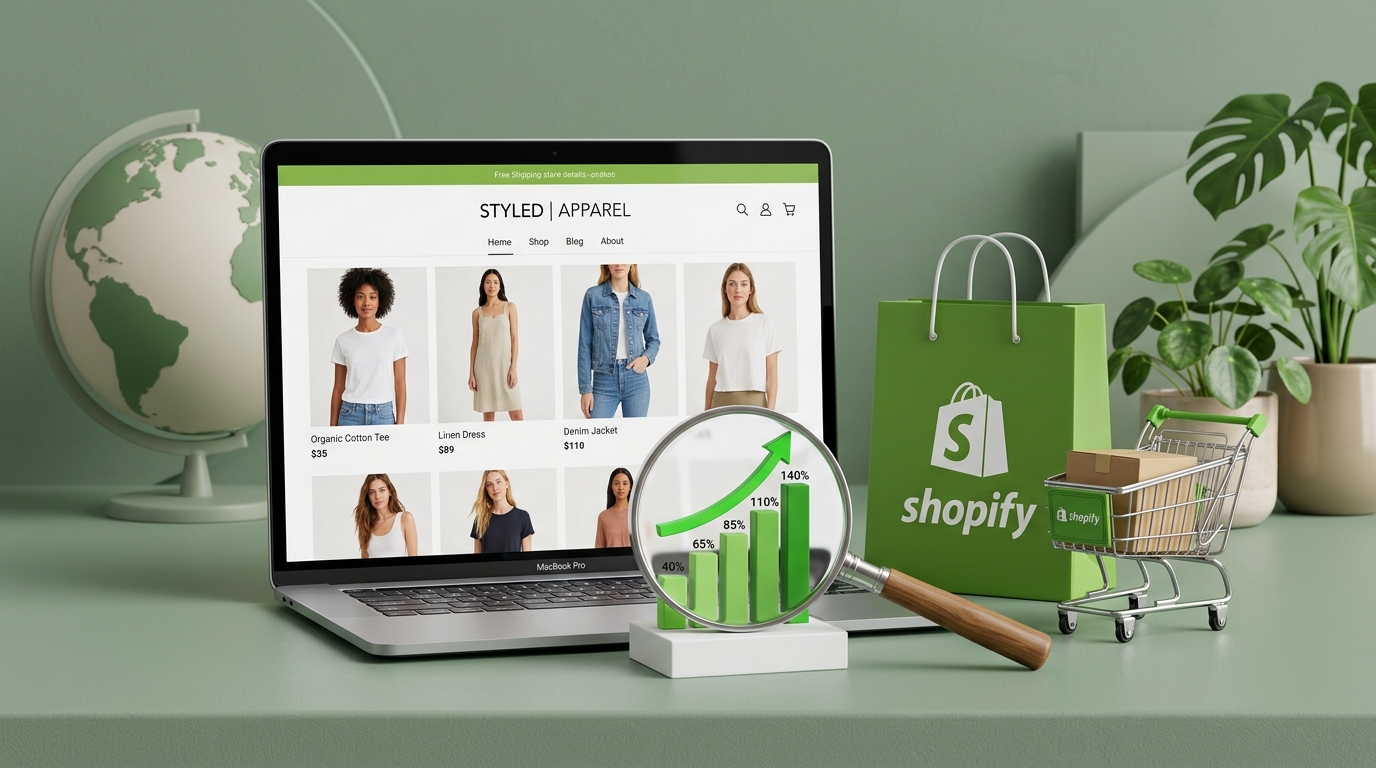
For Shopify brands, getting products discovered organically is becoming more competitive in 2026. Search engines are evolving, AI-generated results are changing how users discover products, and customers increasingly expect fast, relevant, and trustworthy shopping experiences. This is where professional SEO services can help Shopify stores improve organic visibility, attract qualified visitors, and build sustainable growth without relying entirely on paid advertising.
Why Shopify Stores Need SEO in 2026
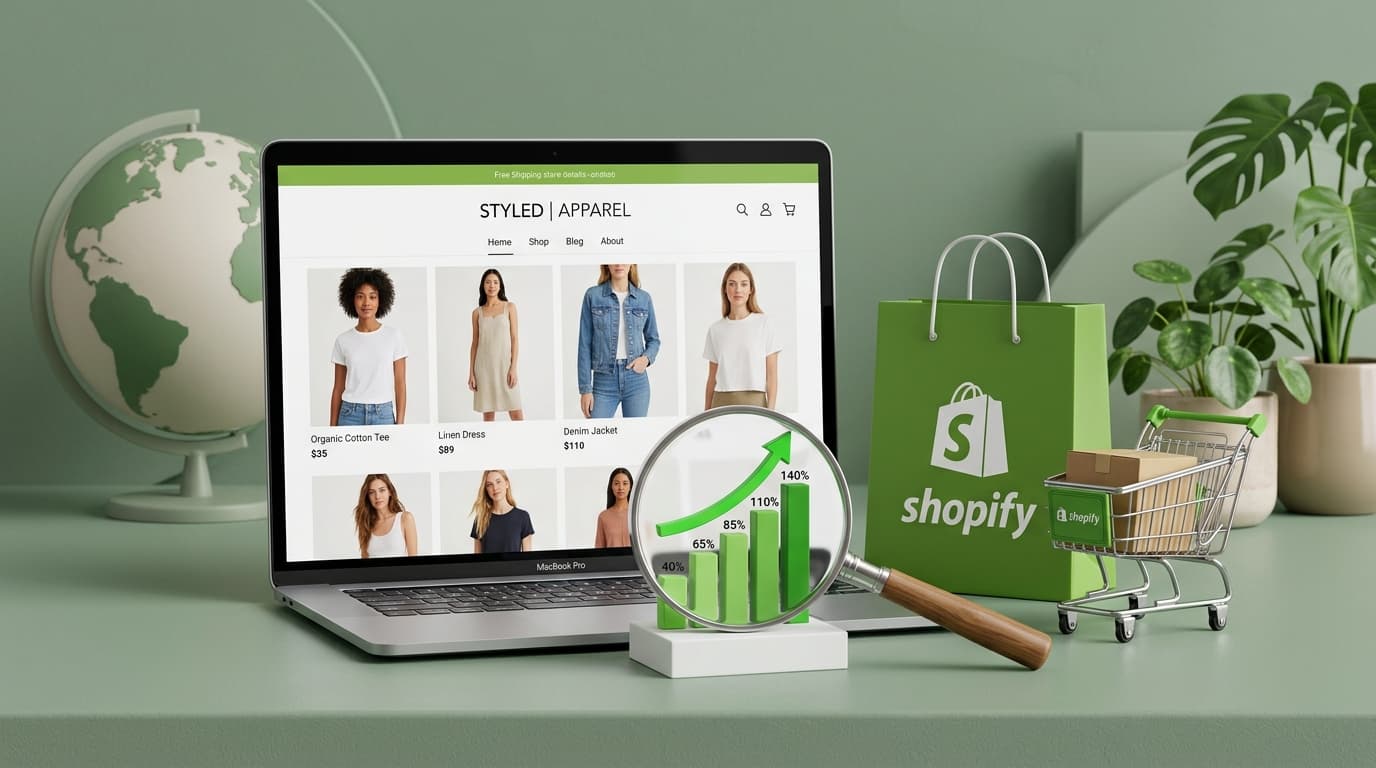
Shopify makes it relatively easy to launch an online store, but having a technically functional website does not automatically make products visible in search results. Search engines evaluate hundreds of signals, including content quality, technical performance, search intent, product relevance, internal linking, structured data, and user experience.
In 2026, Shopify SEO needs to go beyond adding keywords to product descriptions. Brands need a comprehensive strategy that connects technical SEO, content, product optimization, category pages, digital authority, and AI-search visibility.
Organic Product Visibility Is More Competitive
Ecommerce search results now contain traditional listings, shopping results, featured snippets, AI-generated answers, videos, social content, and other search features. As a result, Shopify brands need optimized product and collection pages that clearly communicate what they sell and why those products are relevant.
A strong SEO strategy can help your store capture searches from users who are actively researching products as well as customers who are ready to purchase.
How Professional SEO Services Improve Shopify Product Visibility
Working with professional SEO services can provide a structured approach to improving your Shopify store's organic performance. Instead of optimizing individual pages randomly, an SEO team can identify opportunities across your entire website.
1. Optimize Shopify Product Pages
Product pages are among the most important assets for an ecommerce store. Each page should target a relevant primary keyword while naturally addressing the user's search intent.
Optimization can include:
- SEO-friendly product titles
- Unique meta titles and descriptions
- Search-focused product descriptions
- Optimized image alt text
- Clear product specifications
- Helpful FAQs
- Internal links to related products and collections
- Product structured data
Avoid copying manufacturer descriptions across multiple products. Unique, useful content gives search engines more context and provides shoppers with information that can support purchasing decisions.
2. Build Strong Collection and Category Pages
Many Shopify stores focus heavily on individual products while ignoring collection pages. However, collection pages can target broader commercial keywords and help users discover multiple products.
For example, instead of optimizing only a page for a specific skincare product, a brand could create an optimized collection page targeting terms related to skincare products, moisturizers, or products for specific skin concerns.
Collection pages should contain descriptive headings, useful introductory content, relevant products, internal links, FAQs where appropriate, and optimized metadata.
3. Strengthen Shopify Technical SEO
Technical SEO creates the foundation for organic visibility. Shopify stores can develop issues involving duplicate URLs, canonicalization, indexing, redirects, broken links, faceted navigation, and page performance.
An effective technical SEO strategy should regularly check:
- Crawlability and indexability
- XML sitemap configuration
- Robots.txt directives
- Canonical tags
- Redirects and broken URLs
- Duplicate content
- Mobile usability
- Core Web Vitals
- JavaScript rendering
- Structured data
Fixing these issues helps search engines efficiently understand and crawl important ecommerce pages.
The Role of AI SEO for D2C Shopify Brands
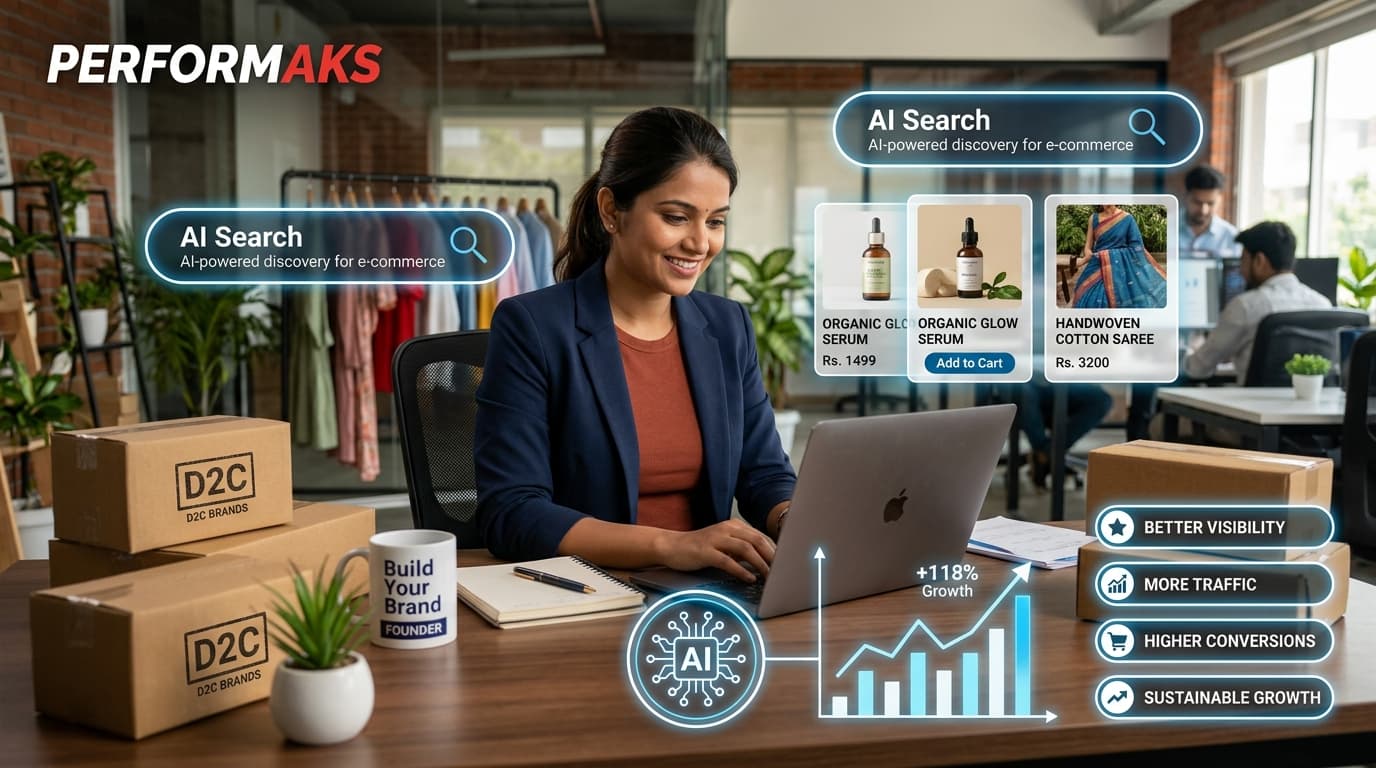
AI is changing how consumers discover products. Users may increasingly ask AI-powered search systems for product recommendations, comparisons, alternatives, and purchasing advice.
This creates an opportunity for an AI SEO agency for D2C brands to help ecommerce businesses prepare their content for both traditional search engines and AI-driven discovery.
Optimize Content for Search and AI Discovery
AI systems need clear, structured, and trustworthy information to understand products and brands. Shopify stores should therefore provide detailed product information rather than relying on short descriptions.
Useful content can include:
- Detailed product benefits
- Product comparisons
- Buying guides
- FAQs
- Use cases
- Product specifications
- Expert insights
- Original research
- Customer-focused educational content
For example, a D2C skincare brand could publish content explaining how to choose a moisturizer for different skin types while naturally connecting relevant products to the guide.
Build Topic Authority Around Your Products
Product pages alone may not be enough to establish strong organic visibility. Shopify brands should create supporting content around the topics their customers search for before making a purchase.
A content cluster could include a main category page supported by buying guides, comparisons, educational articles, product-specific guides, and FAQs.
Internal linking between these pages helps users navigate the website and allows search engines to understand relationships between different pieces of content.
Focus on Search Intent
Keyword volume should not be the only factor when selecting SEO targets. Understanding search intent is equally important.
Informational searches indicate that users want to learn. Commercial searches often involve comparison or research, while transactional searches indicate stronger purchasing intent.
A successful Shopify SEO strategy should create content for different stages of the customer journey rather than attempting to make every page rank for transactional keywords.
Improve Shopify SEO Through Continuous Optimization
SEO is not a one-time activity. Search trends, competitors, algorithms, customer behavior, and product offerings continuously change.
In 2026, Shopify brands should regularly monitor organic clicks, impressions, rankings, conversions, indexed pages, product visibility, and landing-page performance. Underperforming pages can then be updated based on real search data.
SEO teams can also identify pages with high impressions but low click-through rates and improve their titles and descriptions to generate more qualified traffic.
Conclusion
Increasing organic product visibility on Shopify requires more than adding keywords to product pages. Brands need a complete strategy covering technical SEO, product and collection optimization, content marketing, internal linking, structured data, search intent, and emerging AI search behavior.
Investing in professional SEO services can help Shopify businesses build a scalable organic growth strategy, while an AI SEO agency for D2C brands can help businesses adapt their content for the changing search landscape.
The Shopify stores most likely to succeed in organic search in 2026 will be those that combine strong technical foundations with genuinely useful content, clear product information, and a consistent focus on customer search intent.
- #ShopifySEO
- #EcommerceSEO
- #SEOServices
- #D2CBrands