Ecommerce SEO Beyond Google: How Brands Can Win Visibility in ChatGPT, Gemini, and AI Search
For almost two decades, ranking on Google was the entire game. One search box, ten blue links, and a scramble to sit at the top of page one. That world hasn't disappeared, but it is no longer the whole picture. Shoppers now ask ChatGPT for product comparisons, ask Gemini to summarize reviews, and let AI Overviews answer questions before a single website is even clicked. For online brands, this shift means the old playbook needs a serious update.
The good news: the fundamentals of strong Ecommerce SEO still matter. The difference is that visibility now depends on how well AI systems understand, trust, and choose to cite your brand — not just how well you rank in a traditional results page.
Why AI Search Is Changing Ecommerce Discovery
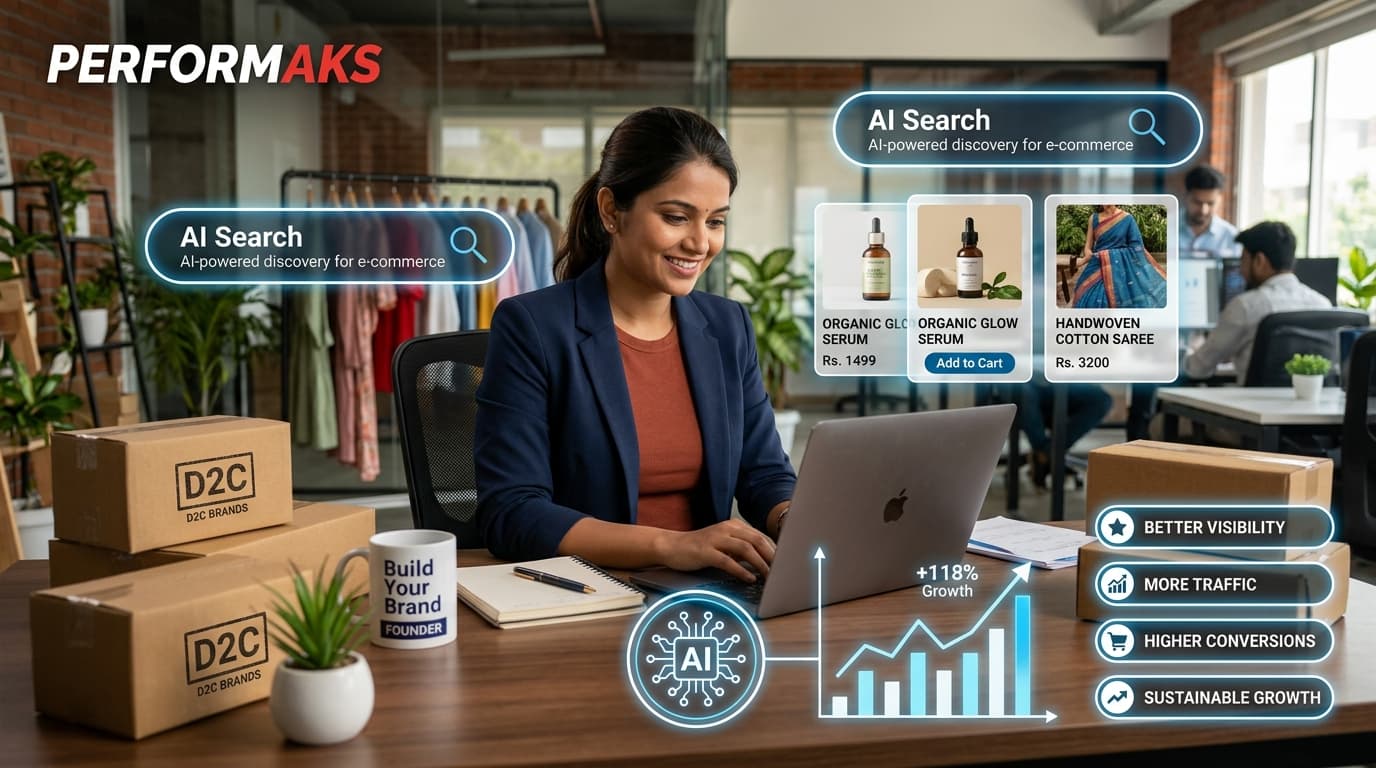
Traditional search engines rank pages. Generative AI tools like ChatGPT and Gemini generate answers, often pulling from multiple sources and stitching together a single response. Instead of showing ten links, they show one synthesized recommendation, sometimes with a citation, sometimes without.
This changes what "winning" looks like. A product page can rank on page one of Google and still be invisible in an AI-generated shopping answer if the content isn't structured in a way large language models can easily parse, trust, and reuse. Brands that treat this as a passing trend risk losing the next generation of discovery traffic entirely.
The New Rules for Ecommerce SEO in an AI-First World
1. Structure content for machine comprehension, not just keywords
AI models favor content that is clearly organized: descriptive headings, concise answers near the top, bullet-pointed specifications, and FAQ sections that mirror how real customers phrase questions. Product pages that read like a well-organized encyclopedia entry, rather than a marketing brochure, tend to be pulled into AI answers more often.
2. Schema markup is no longer optional
Structured data — Product, Review, FAQ, and Offer schema — gives AI crawlers explicit signals about price, availability, ratings, and specifications. This structured layer is often what allows a generative engine to confidently include a product in its response instead of skipping it for a competitor with cleaner markup.
3. Build topical authority, not just landing pages
AI systems weigh how comprehensively a brand covers a subject. A store selling running shoes benefits from supporting content on fit guides, training tips, and material comparisons, not just individual product listings. This depth signals expertise and increases the chance of being referenced across multiple related queries.
4. Earn mentions across the open web
Generative engines lean heavily on third-party validation: reviews, comparison articles, forum discussions, and press mentions. A digital PR and content distribution strategy that gets a brand discussed on reputable, relevant sites directly improves how often it surfaces in AI-generated answers.
5. Optimize for answer-style queries
Shoppers increasingly type full questions rather than short keyword phrases. Content built around "what is the best," "how do I choose," or "is X better than Y" style queries aligns naturally with how conversational AI tools retrieve and reformat information.
Executing this well is technical, ongoing work, which is exactly why many growing brands rely on a specialist team. Performaks' Ecommerce SEO service is built around this exact shift — combining technical optimization, structured data, and content strategy so that product pages are discoverable across Google, ChatGPT, Gemini, and whatever comes next.
Where Performance Marketing Fits Into the Picture
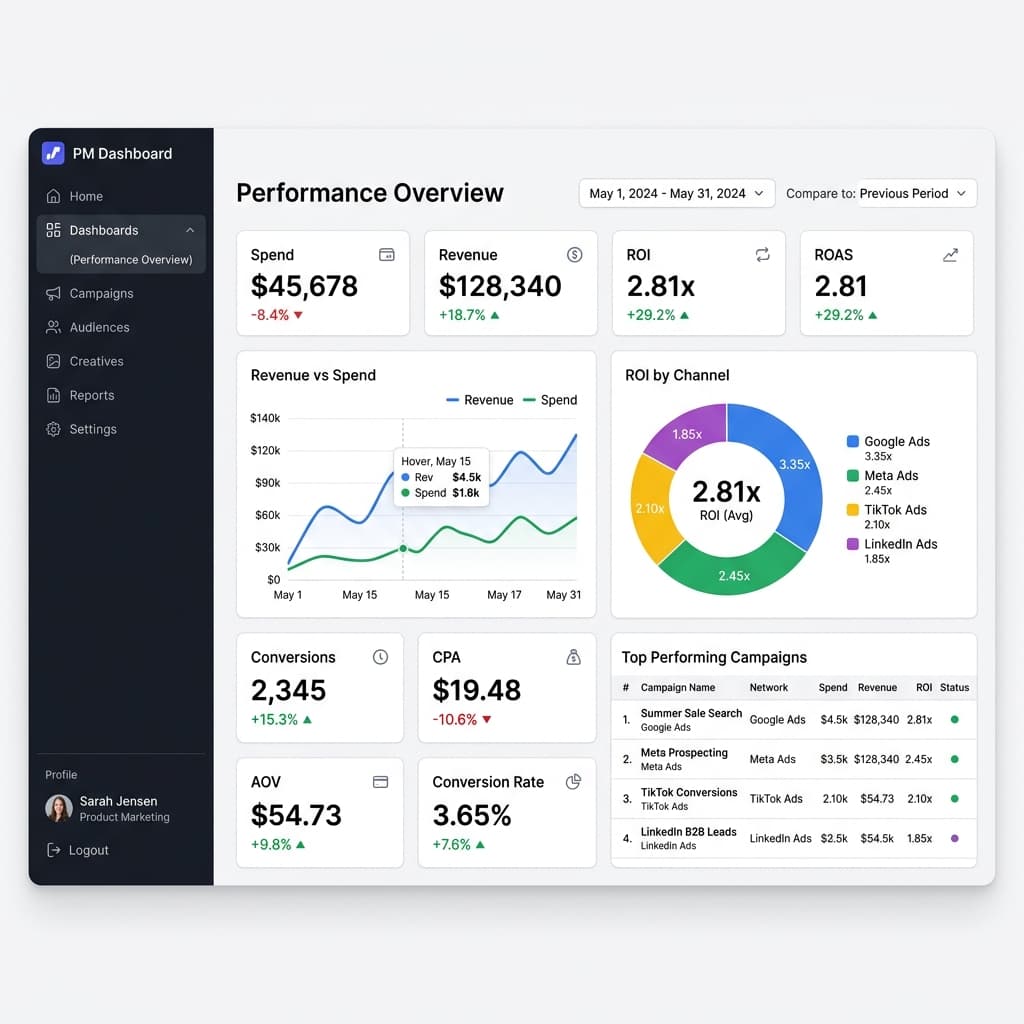
SEO and AI visibility build long-term, compounding traffic, but they take time to mature. That's where performance marketing earns its place in the strategy. Paid search, shopping ads, and retargeting campaigns fill the gap while organic and AI-driven visibility is being built, and they generate the real-world data — click-through rates, conversion paths, and audience behavior — that sharpens content and SEO decisions.
A well-run performance marketing program also reinforces brand signals that AI systems and search engines both notice: consistent traffic, engagement, and conversion activity around a brand's products. When paid and organic efforts are planned together instead of in isolation, brands get faster wins now and stronger compounding visibility later, across both traditional and AI-powered search.
Practical Steps Brands Can Take Today
Start by auditing existing product and category pages for clarity and structure. Add or refine schema markup across the catalog. Build out supporting content that answers real customer questions in plain, direct language. Pursue mentions and reviews on trusted third-party sites. And treat AI search visibility as a metric worth tracking, alongside traditional rankings, click-through rates, and conversions.
None of this replaces the fundamentals of good Ecommerce SEO — fast sites, clean architecture, quality content, and strong backlinks still matter. What has changed is the audience reading that content. It's no longer just human visitors and search engine crawlers; it's also AI models deciding, in real time, which brands deserve to be part of the answer.
Final Thoughts
The brands that will win the next phase of ecommerce discovery are the ones adapting now, before AI search becomes the default habit for millions of shoppers. Combining technical SEO, structured content, digital credibility, and smart performance marketing gives a brand the best chance of being visible everywhere a customer might look — whether that's a Google results page, a Gemini summary, or a ChatGPT recommendation.
Brands ready to build this kind of future-proof visibility can explore how a dedicated Ecommerce SEO strategy can be tailored to their catalog, audience, and growth goals.
- #EcommerceSEO
- #AISearch
- #GoogleSEO